
Research

Bittersweet Company: Relational Frames and Entrepreneurial Pursuit in a Post-Deregulation Cocoa Industry
Under review
Why do economically disadvantaged actors often choose not to use their access to resources and opportunities for entrepreneurship? Drawing on ethnographic and survey data spanning seven years following a market-oriented reform in Trinidad and Tobago, I examine the business decisions of 54 smallholder cocoa farmers. Despite owning valuable fine flavor cocoa beans, only 12 out of 54 farmers persistently pursued entrepreneurial activities a decade after deregulation. Existing resources did not predict pursuit. Rather, I propose the concept of ‘relational frames‘ to explain differences in actors’ pursuit of entrepreneurial activities. Through relational frames, farmers evaluated economic opportunities by what they would mean for their interactions with others. Farmers approached new economic activities with uncertainty about the rules of engagement with new industry agents. While all farmers shared components of the existing relational frame, only those who experienced frame change—shifting from a hierarchical frame to one focused on co-creation—sustained entrepreneurial activities over time. The frame change process consisted of internalization—not simply adoption—of industry agents’ standards and development of farmers’ own roles as creators. By theorizing entrepreneurial pursuit as a relational process, this study contributes a new perspective on how relational experiences shape entrepreneurial willingness in emerging economies.
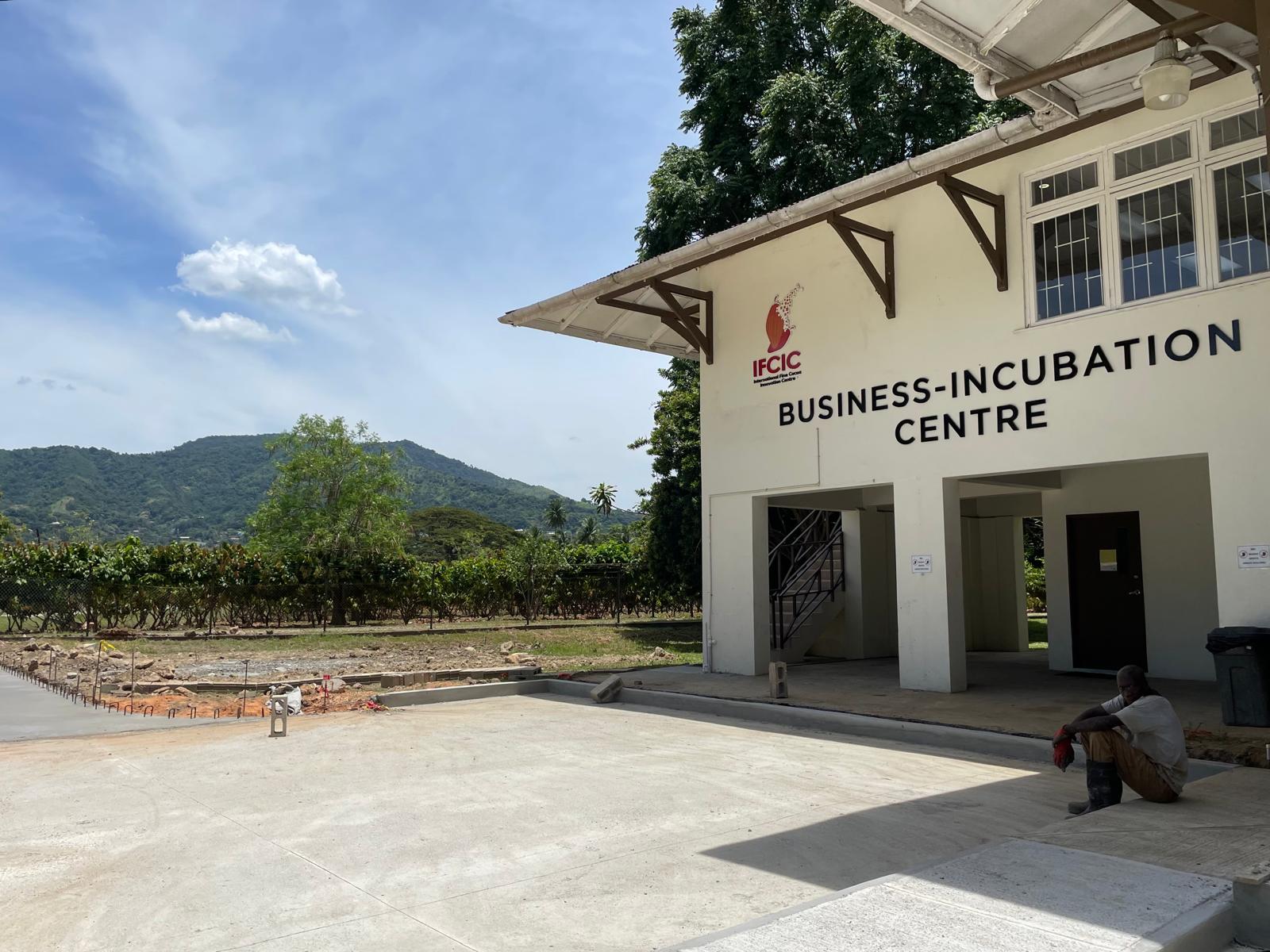
Recursive Intermediation as a Mechanism of Social Reproduction: Intermediaries, Entrepreneurs, and Market Positioning in Trinidadian Cocoa
Working paper
New markets are often viewed as spaces for mobility, particularly for socially disadvantaged actors. Yet market positioning frequently reproduces social inequality, with entrepreneurs from higher-class backgrounds disproportionately occupying more differentiated market positions. This paper identifies a mechanism through which such stratification was produced during market emergence: the actions of resource-constrained institutional intermediaries. Drawing on an inductive ethnographic study of 34 enterprises and four intermediary organizations in the Trinidadian cocoa industry during the decade following deregulation, I theorize recursive intermediation—a bidirectional process in which intermediaries not only transfer knowledge, resources, and market access to entrepreneurs but also depend on those entrepreneurs to build intermediaries’ own material capabilities and legitimacy. Because intermediaries selectively engaged entrepreneurs whose financial, cultural, or organizational resources best aligned with their own needs, recursive intermediation simultaneously facilitated market construction and sorted entrepreneurs into heterogeneous market positions. Although all entrepreneurs entered through the same intermediated channels and received similar baseline training, they differed systematically in their access to intermediated frontier knowledge, adaptive support, product innovation assistance, and brokerage. These differences shaped entrepreneurs’ ability to experiment, absorb setbacks, and sustain differentiated production. As a result, prior class position shaped market differentiation, with actors from more advantaged class backgrounds disproportionately occupying more differentiated positions and those from less advantaged backgrounds remaining concentrated in undifferentiated segments. The findings show how social reproduction of inequality is built into efforts to build new markets, rather than arising solely from competitive dynamics.
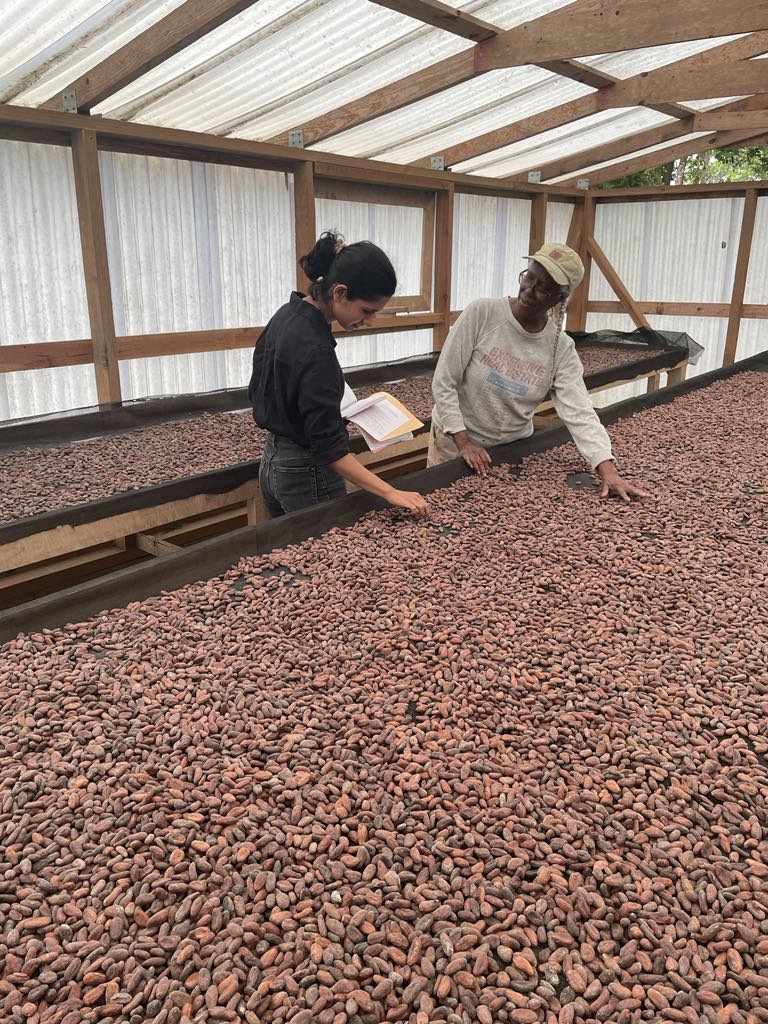
Communal Governance in Emerging Economies: Boundary Conditions and Ways Forward
Writing stage
Research on economic exchange in emerging economies increasingly emphasizes communal governance—shared norms, social ties, and collective monitoring—as an alternative to formal contracting. While this perspective has productively challenged “institutional voids” accounts, it often assumes levels of social cohesion that are unevenly distributed across emerging-economy contexts. This paper develops a contingency perspective on communal governance by examining how social fragmentation—manifested in mistrust, fear, violence exposure, and weak horizontal ties—shapes the feasibility of norm-based exchange. Using Ostrom’s design principles as a diagnostic framework, I theorize how conditions of insecurity and fragmented social relations undermine the mechanisms through which communal governance is expected to function.
 Amrita Saha